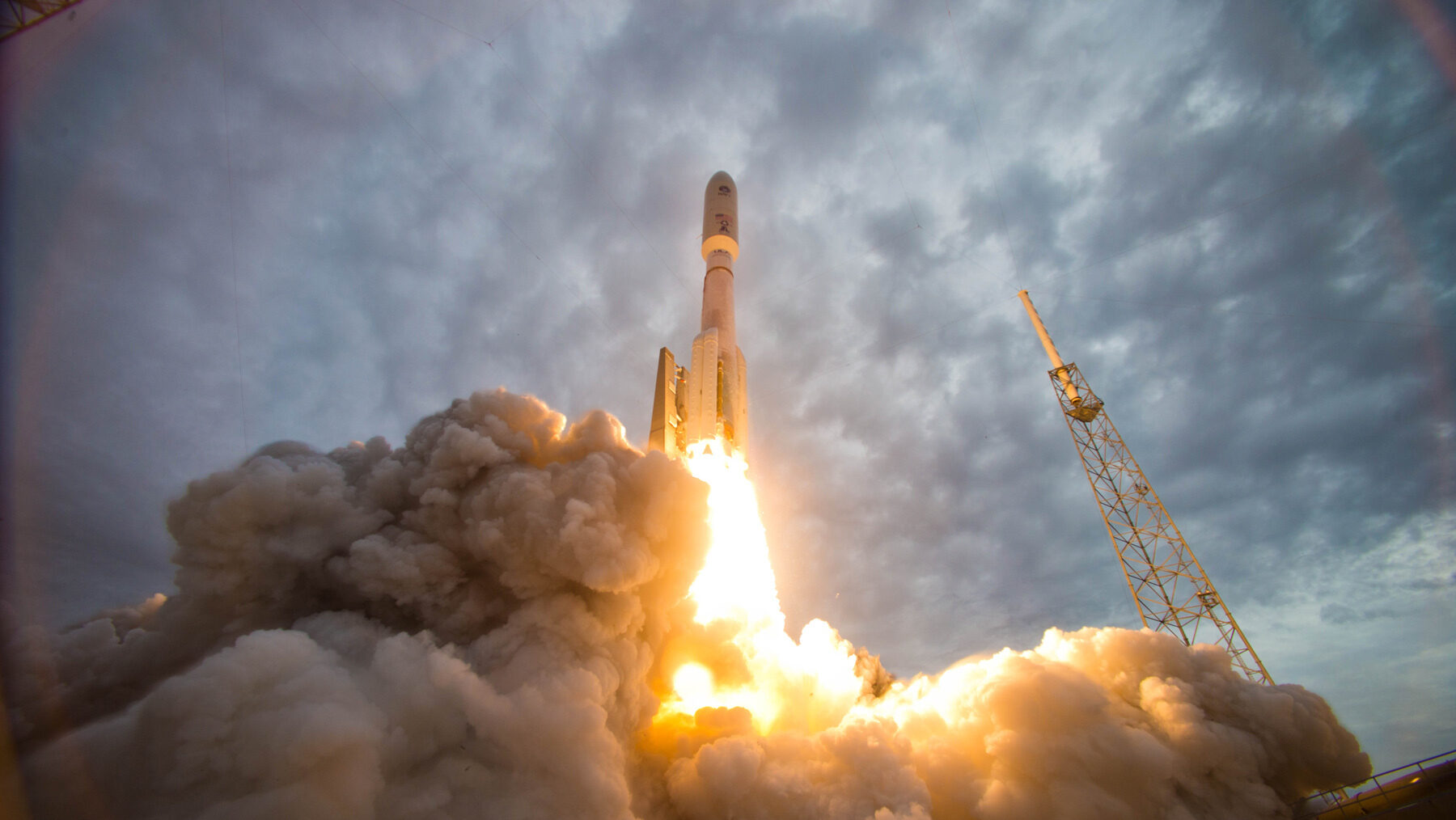
Boeing wins $2B Space Force contract for 2 new MUOS satellites
Set to be launched "no earlier" than 2031 and 2032, the new satellites will extend the life of the MUOS constellation through 2035, according to SSC.
Set to be launched "no earlier" than 2031 and 2032, the new satellites will extend the life of the MUOS constellation through 2035, according to SSC.
On Jan. 25, DoD announced that Lockheed Martin and Boeing have each won 15-month contracts worth $66 million to develop a new, more modern satellite design, with the service then deciding on which to use in building the two new MUOS birds.

Army vehicles like Bradley need greater power at the sprocket for speed, braking, and manueverability.
“These albatrosses [have been] dragging the department down for decades. This is the year we are going to get these programs delivered," said Frank Calvelli, space acquisition head.

The Army units involved operate a payload for the Wideband Global SATCOM system; the Navy's are connected to the Mobile User Objective System sats.

New radios offer dramatically greater range, clarity, & data — once soldiers and leaders figure out how best to use them.
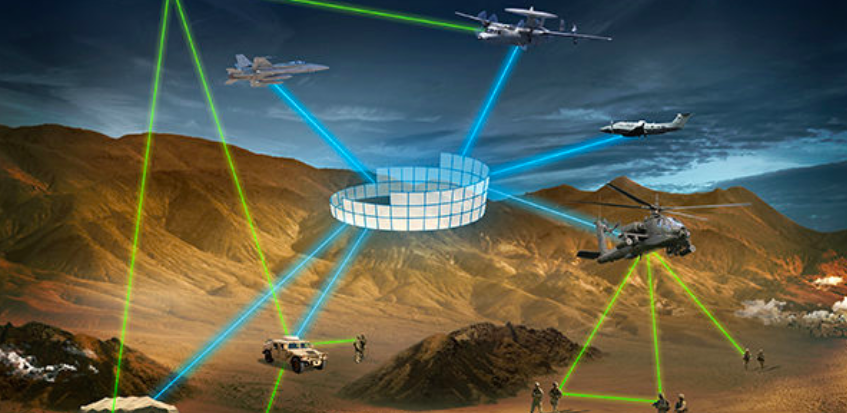
Future satellite vendors will need to "show you can plug your WiFi into our WiFi and get a signal," says Space Development Agency Director Derek Tournear.

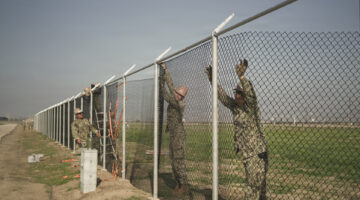
Traditional thinking about how to protect facilities must adapt to new threats such as drones or downstream attacks.
"Being small could hurt the viability of the Space Force," finds a new RAND study.

The vision itself isn't the only thing that is needed, industry sources say. A concept of operations is required for how the Air Force will manage different user needs and interact with different industry providers. "The vision is out, but there is no concept of operations," said one source.